Water Damage Restoration Chelsea, MA
24/7 water damage restoration in Chelsea, MA. The restoration team pulls out standing water, dries plaster, framing and basements to the IICRC S500 standard and records every reading for the insurance claim.
(888) 629-3140Pipe split or drain backing up? Get extraction rolling- 24/7 emergency dispatch
- IICRC S500 drying standard
- Daily moisture readings
In a building with stacked units, water rarely stays put: the unit below gets checked with a meter too.

Water on the floor or through the ceiling? Five things first
- 1
Close the main shutoff
In most older buildings it sits in the basement near the front wall where the service enters.
- 2
Kill power to wet rooms
Switch off those circuits only if the panel is in a dry spot and you can stand on dry floor.
- 3
Warn the units below
In a two-family or three-family, water travels down. Tell the neighbors and check their ceilings.
- 4
Photograph before moving
Take pictures of each wet room, the ceiling stains and the source while everything is still in place.
- 5
Lift what can be lifted
Get rugs, boxes and electronics off the floor, keep clear of drain or tidal water, then call.
Water Damage Restoration Services in Chelsea, MA
Water and sewage only, from a frozen pipe in a three-family on Powderhorn Hill to tidal water in a basement near the Island End River.
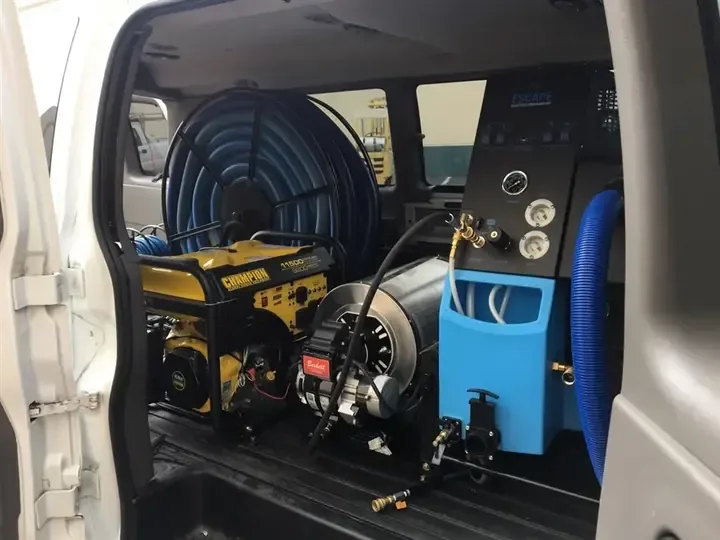
 Water Extraction and RemovalTruck-mounted and portable extraction that gets standing water off floors before it wicks into walls.
 Basement Flooding CleanupOld basements pumped out, wet finishes cut back and the masonry and framing dried.
 Frozen Pipe Water DamagePipes that freeze in outside walls, porches and unheated basements, traced and dried.
 Burst Pipe Water DamageOld supply pipes that let go inside a wall or ceiling, with every wet cavity mapped.
 Sewage Backup CleanupFloor drain and toilet backups treated as Category 3, with PPE and disinfection.
 Coastal and Tidal Flood CleanupHarbor and creek water pushed indoors by nor'easters and high tides, cleaned and dried.
 Roof Leak and Ice Dam Water DamageWind-driven rain and ice dam meltwater followed from the attic down to the wet rooms.
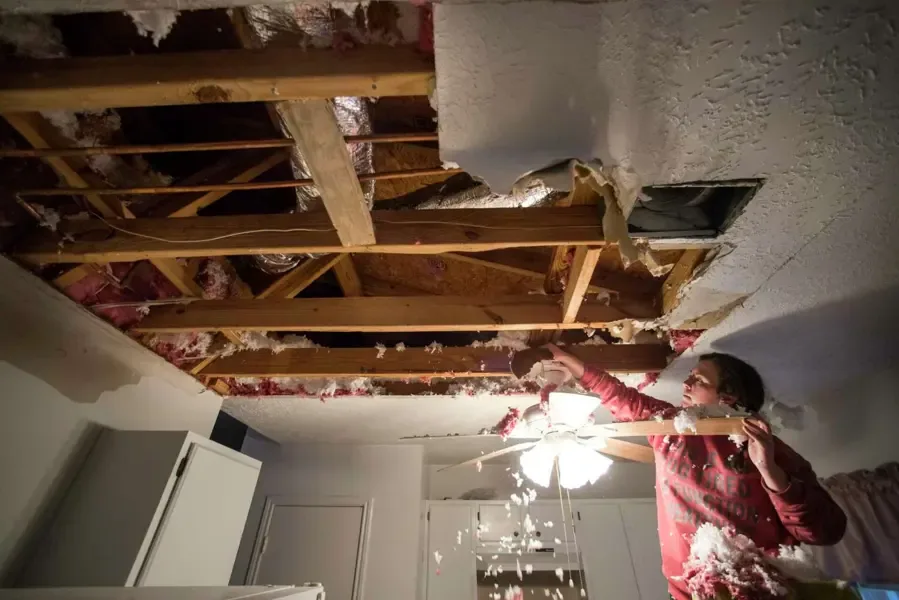
 Ceiling Leak Water DamageLeaks from the unit above opened safely so the joist bays and plaster below can dry.
 Water Heater Leak CleanupBasement and closet tank failures cleared before boxes, framing and floors soak through.
 Appliance and Washer Hose LeaksWasher hoses, dishwashers and fridge hoses leaking into the floor and the unit below.
 Structural Drying and DehumidificationPlaster, studs, subfloor and masonry dried to within 2 to 4 points of a dry reading.
 Commercial and Apartment Water DamageStorefronts, offices and apartment buildings dried in phases, with each unit tracked.
What the restoration team brings to an older harbor building
Most homes here share walls, floors and plumbing with another unit, and about half were built before 1940. The plan has to cover every space the water reached.
24/7 dispatch
Calls are taken day and night, and active water is treated as urgent at any hour, storm nights and holidays included.
IICRC S500 drying
A floor that looks dry is not the finish. The finish is a reading within 2 to 4 points of dry material.
Claim-ready records
Timestamped photos before demolition, a moisture map and daily psychrometric logs go into the file for the adjuster.
Stacked-unit know-how
Stacked kitchens and baths, shared risers and the unit below are mapped together so no wet cavity is missed.
Water damage dried to the IICRC S500 standard
Structural drying, not surface drying. The same four stops run on every job, whether the water came from a split pipe, a backed-up drain or the harbor.
- 1
Map the moisture
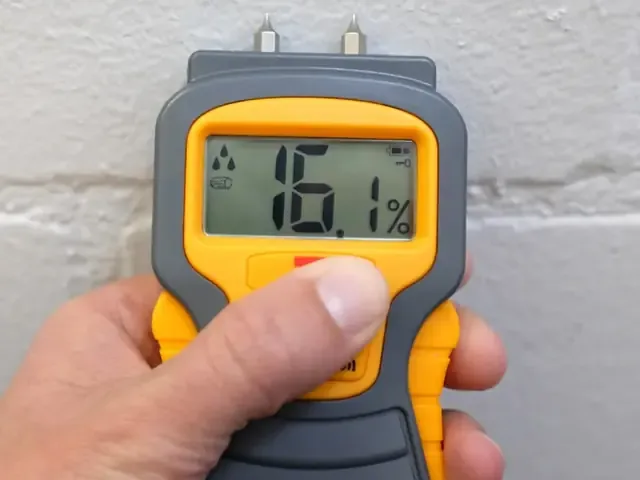
A thermal camera and pin and pinless meters trace the water through plaster, floors and the ceiling below.
- 2
Extract the water
Truck-mounted extraction clears standing water and carpet pad first, since every gallon left adds drying days.
- 3
Dry the structure
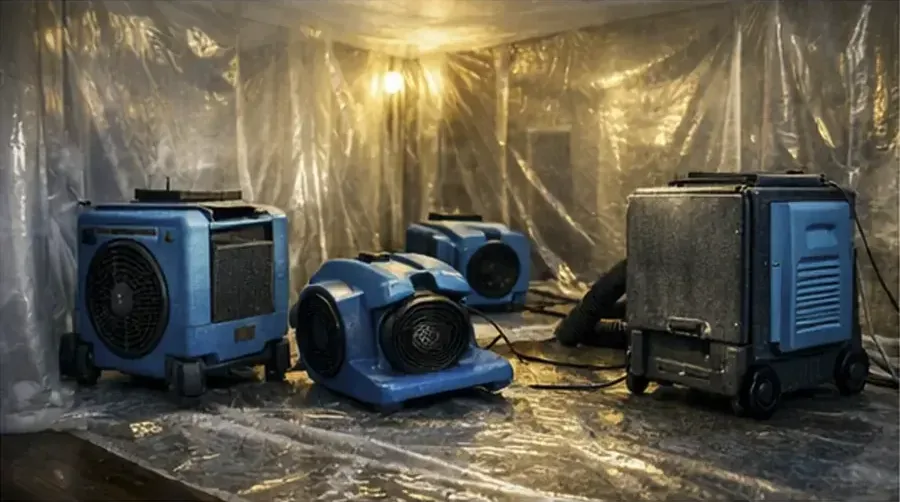
Air movers and LGR dehumidifiers work on walls, framing and subfloor, with heat controlled in cold weather.
- 4
Verify and record
Daily readings are logged against a dry reference until the material sits within 2 to 4 points.
- Thermal imaging on day one
- LGR dehumidifiers sized per room
- Equipment stays until dry
Tidal flooding and storm water on a harbor peninsula
- Coastal storm tide
Nor'easter surge pushes harbor water up the creek and the Island End River and into low streets and basements.
- High tide flooding
Low ground on filled marsh near the waterfront floods on the biggest tides, even without a named storm.
- Heavy rain backup
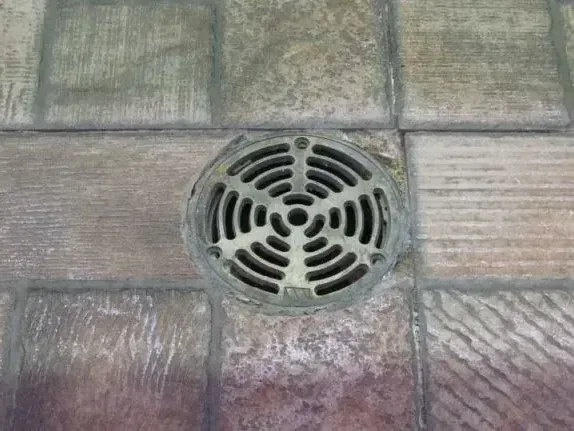
Older combined sewers carry rain and sewage in one pipe, so a downpour can push water up through floor drains.
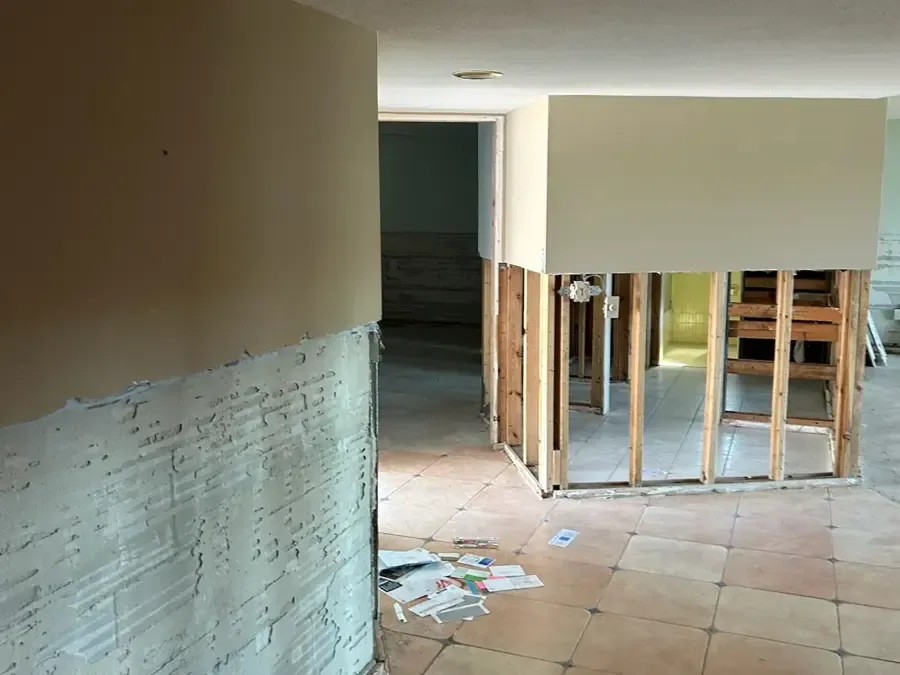
Tidal water and drain backups are Category 3 the moment they come indoors. The mitigation team removes soaked drywall, insulation and carpet, applies an EPA-registered antimicrobial, then dries the structure.
What does water damage restoration cost in Chelsea, MA?
Most jobs land between $1,500 and $12,000. A clean-water leak caught early in one room sits at the low end; sewage, tidal water or a leak that soaked two stacked units costs more. The category of water, square footage, material class and how fast drying started set the number.
These are typical ranges for older harbor-city housing, not a price for any building. The water damage cost calculator narrows it; the moisture map on the walkthrough decides it.
Every category of water damage, clean to black
Category 1: clean water
From a supply pipe, a frozen pipe or a water heater. Caught early, most drywall, plaster and framing can be dried in place.
Frozen pipe water damageCategory 2: gray water
From a washer, a dishwasher or a roof leak through dirty insulation. Carpet pad it soaked is usually replaced.
Appliance and washer hose leaksCategory 3: black water
From a sewer, a floor drain backup or tidal floodwater. Porous materials go; the structure is disinfected, then dried.
Sewage backup cleanupWhat the claim file holds
Adjusters decide water claims from records. The restoration team builds the file from the first visit, so it is ready when the adjuster asks.
- A moisture map drawn on day one
- Daily psychrometric logs of temperature and humidity
- Timestamped photos taken before any demolition
- The category and class of the loss
- A line-item scope of the work done
Check your own policy
Homeowners and renters policies generally look at water that escaped suddenly, such as a split pipe or a failed water heater.
Tidal and storm surge water is a flood loss and usually needs a separate flood policy. Sewer backup is often a separate endorsement, so read your own policy and ask your insurer.
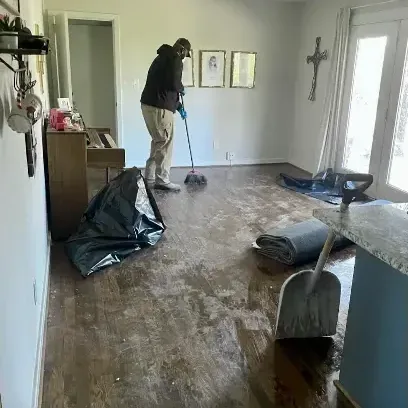
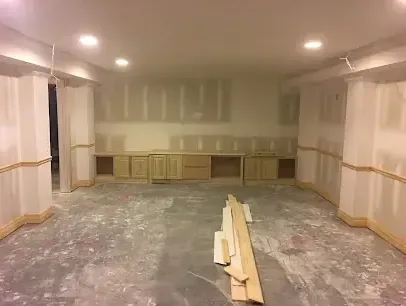
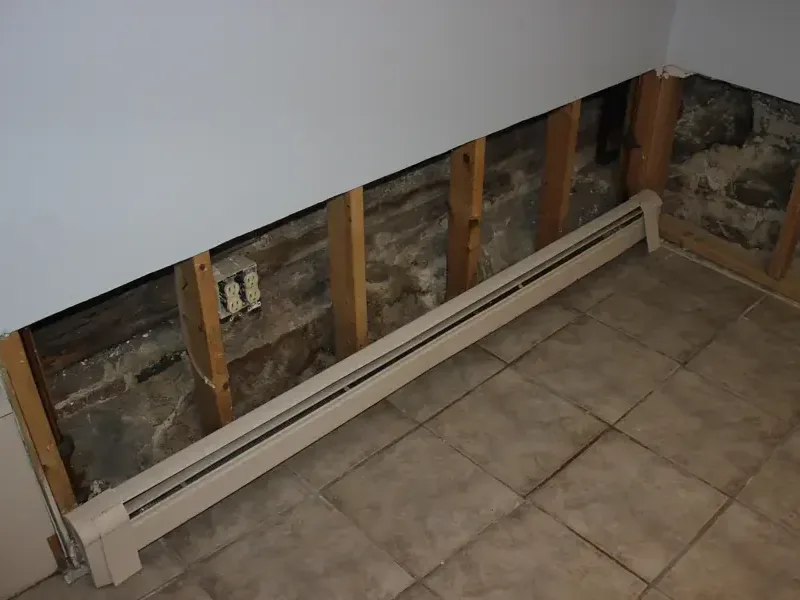
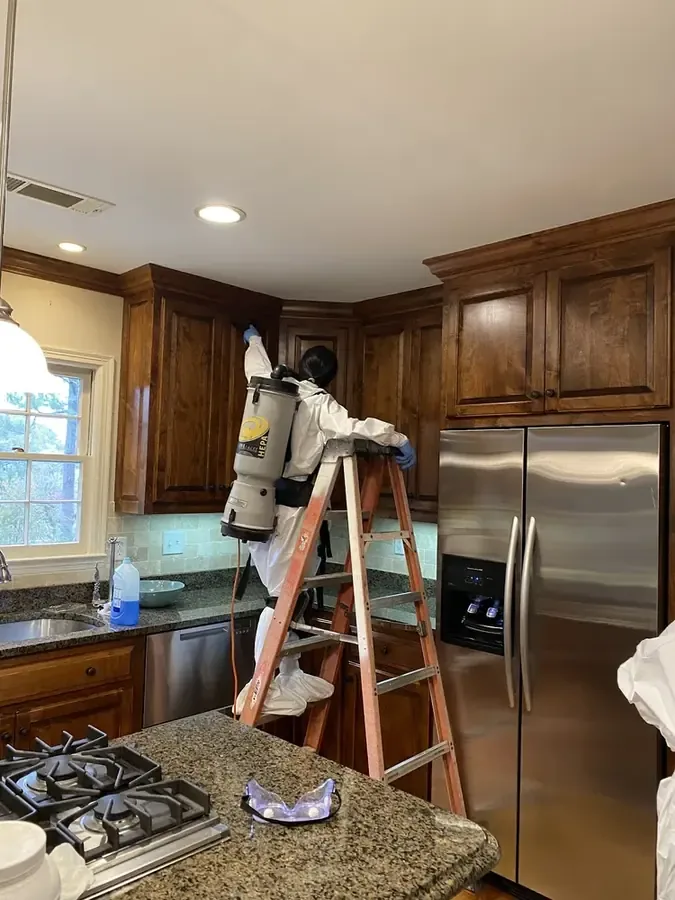
What a water damage dry-out looks like, room by room
Neighborhoods and ZIP code covered in Chelsea, MA
Neighborhoods covered
- Bellingham Square
- South Broadway
- Admirals Hill
- Addison-Orange
- Box District
- Carter Park
- Mill Hill
- Prattville
- Powderhorn Hill
- Waterfront District
- Island End
One call reaches harbor-side water damage pros, 24/7
From Bellingham Square and the Box District to Admirals Hill, Mill Hill and Prattville, the response team covers every street in ZIP 02150 at any hour.
Call (888) 629-3140 for extraction, frozen pipes, drain backups and tidal water, and say which floor and unit the water started in.
Put a harbor-side crew on the wayWater damage in Chelsea, MA: the local risk profile
A low peninsula with water on three sides, old housing and shared plumbing shape most water losses here. These are the patterns the restoration team plans for.
- Old housing stock. About half of the homes were built in 1939 or earlier, so plaster walls, aging supply pipe and deep basements are the norm, and they dry slower.
- Stacked units. Most homes are in two-family, three-family and larger buildings. A leak on the third floor reaches the second and the first, so every unit below gets metered.
- Low, filled ground. Land around Island End and the creek was filled marsh. About 15 percent of the city sits in an area of potential flooding today.
- Combined sewers. Much of the older sewer system carries rain and sewage in the same pipes, so a heavy storm can push water back up through basement floor drains.
- Hard New England winters. Pipes in outside walls, porches and unheated basements freeze in cold snaps, and ice dams push meltwater under roof shingles and into ceilings.
January 4, 2018: a nor'easter pushed Boston Harbor to a record 15.16 foot tide, and the Island End River district saw record coastal flooding that year.
Chelsea water damage questions, answered
Still have water in the building?
The fastest answers about a specific leak, backup or flood come from a call to dispatch, any hour of the day.
Ask about a backup in a multi-familyHow fast does a restoration crew respond after a call?
Dispatch runs 24/7, and active water is treated as urgent at any hour. Arrival time depends on traffic over the bridges and how many calls are open after a storm, so close the main and start the first steps while help is on the way.
Water came through my ceiling from the unit above. What now?
Shut off the power to that room if the panel is dry, stay out from under a sagging ceiling and tell the upstairs neighbor to close their supply valve. The restoration team meters both units, because the joist bay between them holds water.
Does homeowners insurance cover water damage in Massachusetts?
Policies generally look at water that escaped suddenly from pipes, tanks or appliances. Tidal water is a flood loss that needs separate flood coverage, and sewer backup is often an add-on. Check your own policy and ask your insurer.
Why does a frozen pipe cause so much damage?
Ice splits the pipe while it is frozen, but the water only flows once it thaws, often hours later. By then it has run inside a wall or ceiling where no one can see it, so the moisture map matters.
How long does drying take in an older building?
Three to five days is typical for drywall and framing. Plaster over lath, hardwood and the floor between two units take longer. Equipment stays until readings sit within 2 to 4 points of a dry reference.
What is the IICRC S500 standard?
It is the industry standard for professional water damage restoration. It covers water categories, classes of loss, how drying equipment is sized and how dryness is proven with meter readings rather than by touch.
When does drywall or plaster have to come out?
Clean-water drywall that dries fast can often stay. Material soaked by Category 3 water, swollen past repair or hiding wet insulation is cut out, usually a few feet above the waterline. Plaster is judged by readings and how firmly it holds to the lath.
Why is a basement drain backup treated differently?
Water that comes up through a floor drain has passed through the sewer, so it is Category 3 from the start. Crews wear PPE, remove porous materials it touched and apply an EPA-registered antimicrobial before drying.
Mold growth can start within 24 to 48 hours. What does that mean for me?
It means the clock starts when the water appears, not when someone notices it. Getting extraction and dehumidification running inside that window keeps a water loss from turning into a much larger job.
How is the cost of a water damage job figured?
By the category of water, the square footage affected, the material class and how many days passed before drying started. Multi-unit jobs add the ceilings and floors between units. The walkthrough and moisture map set the scope.
Water spreading through the building right now?
Standing water soaks deeper into plaster, framing and the unit below every hour. One call gets extraction started.
(888) 629-3140Start the 02150 dry-out tonight